In the world of plumbing, ensuring that wastewater is efficiently transported away from buildings is crucial. This is where Drain, Waste, and Vent (DWV) pipe fittings come into play. These fittings are integral to any plumbing system, enabling the safe and effective management of wastewater and sewage. In this blog, we will explore what DWV pipe fittings are, their functions, and the key considerations for using them in plumbing projects.
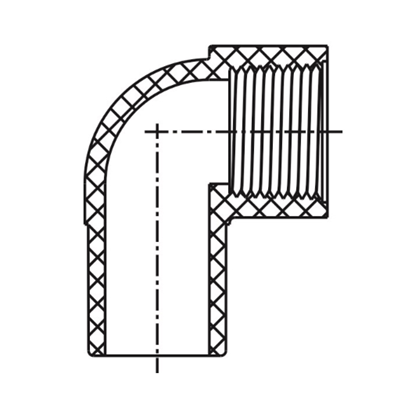
What Are DWV Pipe Fittings?
DWV pipe fittings are designed specifically for drainage, waste, and venting systems in residential and commercial buildings. They play a vital role in directing wastewater away from fixtures and ensuring proper ventilation within plumbing systems. Here’s a closer look at the components of DWV pipe fittings:
1. Drainage
DWV fittings are primarily used to facilitate the drainage of wastewater from sinks, showers, toilets, and other fixtures. They ensure that waste flows smoothly through the piping system and into the sewer or septic system.
2. Waste
These fittings handle the solid and liquid waste produced in a building. By providing a pathway for waste to exit the building safely, DWV fittings help prevent clogs and backups, maintaining a healthy plumbing system.
3. Ventilation
Proper venting is essential for any plumbing system to function correctly. DWV fittings include vents that allow air to enter the plumbing system, preventing vacuum conditions that can impede drainage. Vent pipes also help eliminate sewer gases, ensuring a safe and odor-free environment.
Common Types of DWV Pipe Fittings
DWV systems typically incorporate a variety of fittings, including:
– Elbows: Used to change the direction of the pipe, typically at a 90-degree or 45-degree angle.
– Tees: Allow for branching off from the main pipe line, connecting multiple fixtures to a single drain.
– Wyes: Similar to tees but designed to create a smoother flow, helping to reduce clogs.
– Couplings: Connect two pieces of pipe together, ensuring a secure and leak-proof joint.
– Cleanouts: Access points that allow for easy cleaning and maintenance of the drainage system.
Key Considerations for DWV Systems
When installing or maintaining a DWV system, several factors should be considered:
– Material: DWV fittings are commonly made from PVC, ABS, or cast iron. Each material has its advantages and is suited to different applications.
– Slope: Proper slope is essential for effective drainage. Typically, a 1/4 inch per foot slope is recommended to ensure that wastewater flows smoothly.
– Vent Placement: Proper placement of vent pipes is crucial to prevent pressure imbalances that can lead to slow drainage or backups.
Conclusion
DWV pipe fittings are essential components of any plumbing system, facilitating the efficient drainage, waste management, and ventilation necessary for modern buildings. Understanding their functions and proper installation techniques is crucial for maintaining a healthy plumbing system.
When it comes to quality and reliability in DWV pipe fittings, LESSO America is a trusted manufacturer. With a commitment to innovation and sustainability, LESSO America provides a comprehensive range of plumbing solutions that meet industry standards. Their high-quality DWV fittings are designed to ensure optimal performance and durability, making them an excellent choice for both residential and commercial plumbing projects. Whether you’re a contractor or a DIY enthusiast, you can rely on LESSO America for the best in DWV pipe fittings.