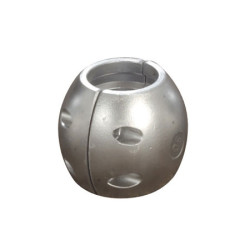
In marine environments, corrosion is one of the biggest enemies of metal components, especially those submerged in seawater. Among these, the propeller shaft is particularly vulnerable due to its constant exposure to saltwater, mechanical stress, and electrochemical reactions. To combat this, boat owners and marine engineers rely on shaft anodes—a critical part of the cathodic protection system that safeguards the shaft and other metal parts from corrosion.
What Are Anodes for Shafts?
Anodes for shafts, often called shaft sacrificial anodes, are specially designed metal pieces attached directly to the propeller shaft or nearby underwater metal components. These anodes are typically made from zinc, aluminum, or magnesium alloys, chosen for their electrochemical properties.
The primary purpose of these anodes is to protect the shaft by corroding sacrificially instead of the shaft itself. This process is known as cathodic protection—the anode acts as the “sacrificial” metal that corrodes first, thereby preserving the more expensive and critical shaft.
How Do Shaft Anodes Work?
Saltwater acts as an electrolyte, creating an electrochemical environment where metals can corrode. Without protection, the metal shaft will slowly degrade, leading to pitting, weakening, and potential failure.
A shaft anode, connected electrically to the shaft, becomes the preferred site for corrosion. Because zinc, aluminum, and magnesium have a higher electrochemical potential than steel, the current flows from the anode to the shaft, effectively sacrificing the anode metal and protecting the shaft.
This controlled corrosion keeps the shaft intact and extends the life of the propulsion system.
Types of Shaft Anodes
- Zinc Anodes: The most common choice for saltwater applications due to their effective protection and affordability. Zinc is highly effective in typical marine environments but less so in freshwater.
- Aluminum Anodes: Lighter than zinc and more efficient, aluminum anodes work well in saltwater and brackish water environments. They also last longer and produce less sludge than zinc.
- Magnesium Anodes: Best suited for freshwater conditions, magnesium anodes provide strong protection but corrode faster than zinc or aluminum in saltwater.
Importance of Proper Installation and Maintenance
For shaft anodes to work effectively, proper installation is crucial:
- They must be securely mounted and have good electrical contact with the shaft.
- The anode should be positioned where it’s fully submerged during normal operation.
- Regular inspection is necessary because anodes wear down over time. Once an anode is mostly corroded, it must be replaced to ensure continued protection.
Ignoring anode maintenance can lead to serious corrosion problems, costly repairs, and even shaft failure, which can jeopardize vessel safety.
Benefits of Using Shaft Anodes
- Cost Savings: Protecting the shaft reduces the need for expensive repairs or replacements.
- Extended Lifespan: Anodes significantly increase the life of metal components exposed to harsh marine conditions.
- Safety: A well-maintained shaft reduces the risk of mechanical failure and ensures smooth propulsion.
- Environmental Protection: Sacrificial anodes minimize pollution caused by corrosion products.
Conclusion
Anodes for shafts are a small yet vital component of marine maintenance that plays a significant role in protecting propulsion systems from corrosion. By sacrificing themselves, these anodes safeguard the shaft, ensuring reliable performance and prolonging the life of the vessel’s critical underwater parts. For every boat owner or marine engineer, understanding the importance of shaft anodes and maintaining them properly is essential for a trouble-free and safe marine experience.