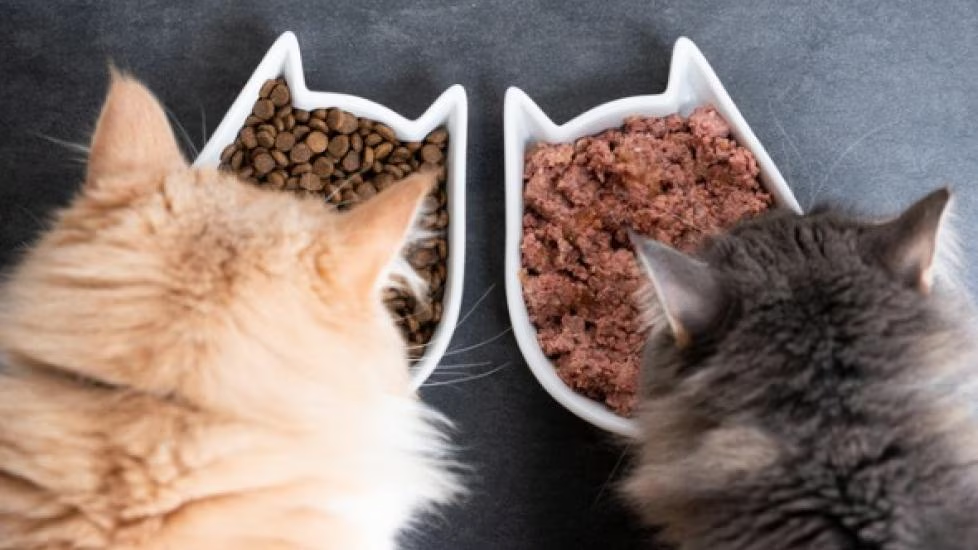
Cats are unique animals with specific dietary needs that differ greatly from other pets. Unlike dogs, who are omnivores, cats are obligate carnivores, meaning they require nutrients that can only be derived from animal-based proteins 貓罐頭. In recent years, there has been a surge in interest surrounding canned cat food pet food, as more pet owners recognize its role in supporting feline health, hydration, and overall well-being. Understanding the value of this type of diet is essential for anyone who wants to provide the best for their furry companions.
Why Cats Need Specialized Nutrition
Cats thrive on high-protein, moisture-rich diets that mimic what they would naturally consume in the wild. In their natural environment, felines hunt small prey such as birds and rodents, which consist primarily of muscle meat, organs, and moisture. This biological need makes canned cat food pet food an excellent option, since it typically contains higher protein levels and significantly more water compared to dry kibble. Providing this type of food ensures cats receive balanced nutrition aligned with their natural dietary requirements.
The benefits of Canned Cat Food
One of the main reasons many veterinarians recommend canned cat food pet food is its high moisture content. Cats often do not drink enough water on their own, which puts them at risk of urinary tract infections, kidney disease, and dehydration. Canned food helps compensate for this by delivering hydration directly in their meals.
In addition to hydration, canned food usually has fewer carbohydrates compared to dry kibble. Since cats do not metabolize carbohydrates as efficiently as humans or dogs, diets high in carbs may contribute to obesity, diabetes, and digestive issues. By offering a protein-rich, low-carb option, canned food supports lean muscle mass, energy levels, and long-term health.
Ingredients that Matter
When evaluating canned cat food pet food, the ingredient list plays a crucial role. High-quality options often feature real meat such as chicken, turkey, beef, or fish as the first ingredient. These provide essential amino acids like taurine, which is critical for heart and eye health in cats. A well-balanced canned food also contains vitamins, minerals, and fatty acids to promote coat health, immune function, and strong bones.
Pet owners should be cautious of brands that use fillers, artificial colors, or low-quality by-products. While budget-friendly, these ingredients can compromise the nutritional quality of the food. Choosing a premium canned product ensures cats are receiving the right fuel to thrive.
Addressing Health issues with Canned Food
Many cats with specific health conditions benefit from switching to canned cat food pet food. For example, cats prone to urinary tract infections or kidney disease can benefit from the added moisture content, which helps flush toxins and maintain proper kidney function.
Obese cats may also lose weight more effectively with canned food because of its high protein and low carbohydrate profile. The added satiety from moisture and protein often reduces overeating and begging behaviors. Even senior cats with dental issues may find canned food easier to chew, ensuring they continue to receive the nutrition they need without discomfort.
The Role of Taste and Texture
Cats are notoriously picky eaters, which is why the palatability of canned cat food pet food makes it highly appealing. The rich aroma, softer texture, and variety of flavors make it easier for cats to accept compared to dry kibble. For multi-cat households, offering different flavors can keep mealtime exciting while ensuring all cats are well-fed.
Textures such as pâté, shredded, or chunks in gravy cater to different feline preferences. Some cats prefer smooth consistency, while others enjoy more bite-sized pieces. Having this flexibility allows owners to find the perfect match for their pets’ tastes.
Environmental and Ethical Considerations
As pet owners become more environmentally conscious, many seek canned cat food pet food made with responsibly sourced ingredients. Some companies focus on sustainable fishing practices, humane livestock treatment, and recyclable packaging. This growing awareness not only benefits cats but also supports eco-friendly choices that align with a pet owner’s values.
Transitioning Cats to Canned Food
Switching a cat from dry kibble to canned cat food pet food requires patience. Some cats may resist changes in texture or taste. To ease the transition, pet owners can gradually mix small amounts of canned food with the dry food and slowly increase the portion over time. Consistency and offering different flavor profiles often help cats adjust.
Providing canned food at set meal times rather than free-feeding can also encourage a healthy eating routine. Cats benefit from portion control, which prevents overeating and maintains an ideal body weight.
Cost Versus Value
A common concern among pet owners is that canned food can be more expensive than kibble. While this may be true, the long-term health benefits often outweigh the cost. Preventing illnesses such as diabetes, obesity, and urinary tract disease can save significant veterinary expenses down the road. When viewed as an investment in a cat’s health and longevity, canned cat food pet food provides undeniable value.
Supporting a long and Healthy Life
Ultimately, the goal of every cat owner is to ensure their beloved pet enjoys a long, happy, and healthy life. Feeding high-quality canned cat food pet food is one of the most effective ways to achieve this. From hydration and weight management to enhanced palatability and nutritional balance, canned food addresses the unique dietary needs of felines in a way that kibble alone cannot.
Cats may not always show us directly how much they benefit from good nutrition, but over time, their shiny coats, playful energy, and overall vitality become clear indicators. Pet owners who choose canned food are not just feeding their cats; they are investing in their pets’ future.