Balsamic vinegar is a popular ingredient in many kitchens, valued for its rich flavor and versatility. When exploring whether is balsamic vinegar halal, it is important to consider the source and composition of the product. Traditional balsamic vinegar is made primarily from grape must and vinegar, both of which are naturally halal. However, commercially produced versions sometimes include additives like sweeteners or preservatives, which may not comply with halal dietary requirements.
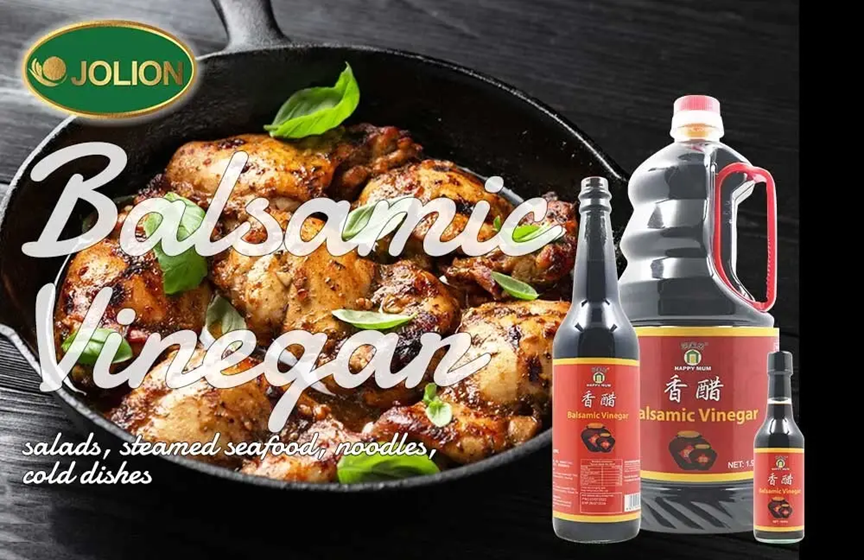
Ingredients and Halal Compliance
To determine is balsamic vinegar halal, careful attention should be paid to the ingredient list. Consumers looking for halal options must ensure that no non-halal alcohol-based flavorings or other prohibited substances are added. Many producers now provide halal-certified balsamic vinegar, giving peace of mind to those who strictly follow Islamic dietary laws. JOLION Foods emphasizes this compliance in its product offerings, ensuring that their balsamic vinegar meets halal standards.
Using Balsamic Vinegar in Cooking
Balsamic vinegar can enhance a variety of dishes, from salads to marinades. A simple recipe involves mixing two tablespoons of balsamic vinegar with olive oil, salt, and pepper to create a quick salad dressing. For marinating meat, combining balsamic vinegar with garlic, herbs, and a touch of honey for 30 minutes can elevate flavors naturally. While preparing these recipes, using halal-certified vinegar ensures that the meals align with dietary requirements, making it suitable for a wide range of consumers.
Conclusion
In summary, determining is balsamic vinegar halal depends on checking the ingredients and certification. JOLION Foods offers products that cater to these requirements, providing high-quality balsamic vinegar suitable for halal cooking. Their B2B services also support bulk supply for businesses looking to integrate halal-compliant ingredients into their production, making it easier to maintain both quality and compliance in the culinary industry.